For those that visit my blog regularly, you have read countless words on the importance of good diabetes management and risk associated with insulin dependence for both Type 1 and Type 2 diabetics. The other week I had a chance to sit down with my friends at Beyond Type 2 (beyondtype2.org) to talk about a shift happening in the Type 2 diabetes community — more discussions surrounding the experiences of low blood sugar, also called hypoglycemia.
I won’t take the fanfare and glory from the great article that T’ara Smith at Beyond Type 2 pulled together, however, here is a teaser of the start of the article. A link to the entire article discussing Type 2 diabetes, hypoglycemia, and the risk of severe hypoglycemia is at the bottom of the page.
STAYING READY WITH NASAL GLUCAGON
Read the entire article at BeyondType2.org where I discuss my struggles with hypoglycemia and Type 2 diabetes.
It’s known that the primary focus of Type 2 diabetes management is on high blood glucose, but there is a shift happening in the Type 2 diabetes community — more discussions surrounding the experiences of low blood sugar, also called hypoglycemia. People with Type 2 diabetes like Mark Hanlon, who was diagnosed with diabetes in 2009, are sharing their stories to promote awareness about hypoglycemia and why it’s important for people with Type 2, especially those on insulin, to be prepared for an emergency.
“Hypoglycemia changes your day. If I’m at work and experience hypoglycemia, I can feel gross and sweaty, but most importantly, it tires me out and I get exhausted,” said Mark Hanlon, who lives in Toronto, Canada.
Hypoglycemia can occur at any time. But for people with Type 2 diabetes, it’s a condition that can have major consequences if not treated. While candy and juice are traditionally the ways people with diabetes treat a low, there’s a new emergency treatment on the market called Baqsimi, a nasal glucagon spray, is an emergency treatment for severe hypoglycemia episodes when a person is unable to drink or eat something or when they need assistance from someone else. It’s a more user-friendly version compared to the other glucagon kit, which requires the user to use a syringe to treat a patient having a low blood sugar emergency.
Those with Type 2 who take insulin are at a higher risk of experiencing hypoglycemia than those without who do not take insulin. If you’re starting an insulin regimen, it’s important to ask your doctor about how to treat a low blood sugar episode in the event it happens. For Mark, who started on basal (long-acting) insulin and later bolus (mealtime) insulin, he and his doctor never had those conversations.
“Everyone from my physician to my endocrinologist would say I’m well-informed,” said Mark. “Still, hypoglycemia wasn’t touched on. I think there’s this expectation that adults with diabetes know enough or can figure out these concerns for ourselves.”
For example, Mark was instructed to take four units of bolus insulin before meals and instructions on how much more insulin to take if his glucose was above a certain level before meals. However, he wasn’t advised on how to adjust the amount of insulin to take for certain kinds of meals……
This post is my own lived experience with Crohn’s disease and diabetes (LADA). It is information only, and it is not medical advice. Please talk to your own healthcare team about your diabetes management.
Reviewed and updated November 22, 2026: I wrote this article in 2021 comparing the Dexcom G6 and the original FreeStyle Libre. The technology has moved on, including the Dexcom G7 and the FreeStyle Libre 3 system with the Libre 3 Plus sensor. I still see the value of CGM monitoring, and I began using an insulin pump in April 2026. One other important change: in November 2025, my diagnosis was updated to LADA (adult-onset autoimmune diabetes). References below to being an insulin-dependent Type 2 diabetic describe what I understood when the post was written. See my 2026 story. Product features and pump compatibility must be checked with the current manufacturers’ instructions.
What are the benefits of using a Dexcom G6 or Freestyle Libre Continuous Glucose Monitor (CGM) to manage your Type 1 or Type 2 Diabetes? As an insulin-dependent T2D, I am always looking for new or better ways to manage my diabetes and learn about how my body manages the carbohydrates I consume.
I have been using a CGM to manage my diabetes since the fall of 2018. Here are some of my observations of the benefits of using a Continuous Glucose Monitor (CGM) from the perspective of an insulin-dependent Type-2 diabetic.
REMINDER: This information and website is not intended to provide any medical advice, opinion, or decision making, and cannot replace or be a substitute for your relationship with your healthcare provider.
What is a Continuous Glucose Monitor (CGM) for diabetes?
A continuous glucose monitor (CGM) measures glucose in the fluid just under your skin and sends readings to a compatible display device. The interval varies by system. Some current sensors provide a new reading every minute, while older systems operated differently. That stream of information can show trends overnight, during exercise or after meals, which is useful when you and your healthcare team are trying to understand what’s happening. However, a CGM does not mean a blood glucose meter is never needed. Follow your device instructions and check with a finger-prick meter when readings do not fit your symptoms, when the app tells you to, or when a reading is unavailable. Sensor placement and wear time also vary by model. See Abbott’s Canadian device safety information and Dexcom Canada’s current G7 information.
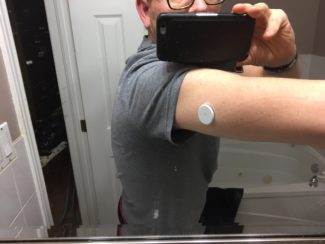
Me sporting my FreeStyle LIbre CGM to manage my blood glucose and diabetes control.
The picture to the right is me wearing my 14 days Freestyle Libre CGM sensor. You can read more about my thoughts on the Libre here. I also have a series of questions and answers about the FreeStyle Libre that are very much applicable to all CGM systems.
Back when I first wrote this article, I was looking at the Dexcom G6, the original FreeStyle Libre, Medtronic Guardian Connect, and Eversense. That is a snapshot of the technology I knew in 2021, not a list of the newest devices. By November 2026, readers will also encounter systems such as Dexcom G7 and FreeStyle Libre 3 Plus, along with newer sensors and insulin-pump connections. Features, alarms, wear times and compatibility depend on the exact model. What about coverage in Canada? It varies by province, insurance plan, device and medical eligibility. Ontario, for example, has different public programs and criteria for different glucose-monitoring systems. Do not assume your CGM is covered simply because you take insulin. Check the latest Diabetes Canada technology information, your provincial plan and your insurer before buying one.
How does a CGM read (blood) glucose?
The technology used by each CGM is slightly different. However, unlike traditional finger blood glucose tests that use a sample of your blood to test for the amount of glucose in your body, a Continuous Glucose Monitor typically reads your glucose from your interstitial fluids below your skin.
Interstitial fluid (IF), or tissue fluid, is the fluid surrounding the cells under our skin. Glucose moves between the bloodstream and that fluid, which is what the small sensor on a typical CGM measures. I find it easier to picture this as a window into what my glucose is doing throughout the day, rather than a series of finger-prick snapshots. However, glucose in interstitial fluid can lag behind blood glucose, especially after eating, exercising or treating a low. That is one reason the reading on your CGM and the reading from a blood glucose meter may not always match. If your symptoms and your sensor disagree, follow the manufacturer’s instructions and use a meter when appropriate. Diabetes Canada explains that difference here.
Here is a great info-graphic that shows how typical CGM sensors interact with the interstitial fluid and the glucose travelling in your blood.
Image showing how typical CGM readers estimate your glucose from interstitial fluids (IF). Source: http://www.medtronicdiabetes.com/
There are 1,440 minutes in a day? How many times a day do you test your blood glucose?
There are 1,440 minutes in a day? How many times do you test your glucose? Can you really say how well you know what your blood sugars are doing?
To be conservative let’s say as a typical diabetic we test our blood glucose with finger tests five times a day – a fasting glucose test when we wake up, before breakfast, lunch, and dinner and before our correction dose at bedtime. Presuming each test is a 1-minute snapshot of our glucose levels, that is less than 1% of the total minutes in a day or 5 minutes of testing? What are your blood sugars doing the other 23 hours and 55 minutes (1,435 minutes)? Even if you tested your glucose 10 times a day with a finger test, besides our poor fingers feeling like a pin cushion, we still have huge gaps in our glucose trends. This is where your continuous glucose monitor truly shines.
When I wrote this article, I used an example of a CGM recording glucose every five minutes. That works out to 288 readings over a 24-hour day. Some newer systems, including the FreeStyle Libre 3 Plus, update the displayed glucose reading every minute. The important part, for me, is not a particular number of readings. It is the trend between meals, exercise, sleep and those moments when I might otherwise have no idea what my glucose was doing. A CGM still needs to be used according to its instructions, and it does not eliminate every need for a finger-prick test.
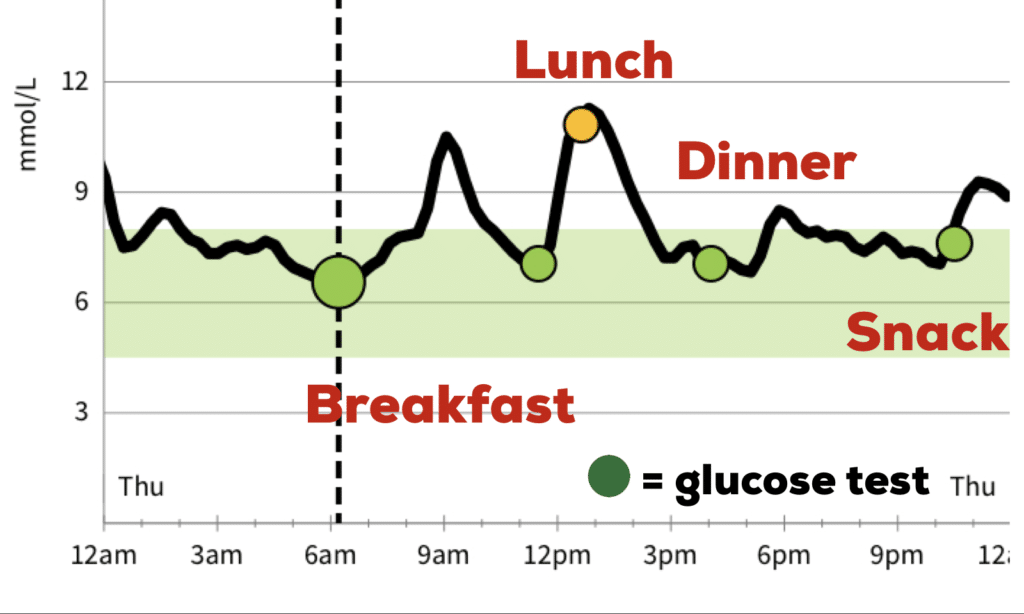
24 Hour Glucose Trend Line from my Abbott FreeStyle Libre CGM (Continuous Glucose Monitor). You can see the spikes in my blood sugars with each meal and the spread or gap between the start of the spike and the end of the rise.
Studies have shown that there is a positive relationship between testing your glucose and better A1c results
Back in 2013, a study published in Diabetes Care reported an association between more frequent blood glucose checking and lower A1C levels. The original version of this article quoted particular A1C averages for people testing two versus ten times daily. Those figures describe an observed study population, not a promise that testing a given number of times will produce a particular result. People who check more often may also differ in education, treatment and other ways. What matters to me is how the readings help make decisions with my diabetes care team.
Historical graphic discussing the relationship between blood glucose testing frequency and A1c (source iv). The 2013 study found an association, not proof that testing more often by itself causes a lower A1c.
A 2017 study of more than 50,000 FreeStyle Libre readers found that people who scanned more frequently tended to spend more time in their target glucose range and less time with high or low glucose. Interesting results, aren’t they? The figures need context. This was an observational analysis, so we cannot say that scanning more often, by itself, caused the differences. The often-quoted 40% reduction concerned time spent below a particular low-glucose threshold when comparing scanning groups. It did not mean that everyone using a CGM had 40% fewer severe hypoglycemia events, nor did it guarantee an A1c below 7%. I still think the extra information can be valuable, especially when you review the patterns with your diabetes care team.
Graph: Real-world CGM data comprising 50,831 readers and 279,446 sensors worldwide, shows that frequent glucose checks with higher rates of CGM scanning are linked to improved glycaemic markers, including increased time in range and reduced time in hyper and hypoglycaemia (Source: Diabetes Research and Clinical Care).
A CGM will help us understand how high, how quickly and how long our blood glucose reacts to the foods we eat
A CGM will help us understand how high, how quickly and how long our blood glucose reacts to the foods we eat. Looking at the image above, you can see the spikes in my blood sugar with each meal (breakfast, lunch, and dinner) and the spread or gap between the start of the spike and the end of the rise, for how long it took my T2D body to return back to “normaL”. You can also see the benefits of better carbohydrate and balanced meal consumption with a smaller spike at dinner. You can also see my not so great snack around 10:30 at night. The dots were where I took a specific glucose reading.
One of the things I learned from wearing a CGM is how differently meals can affect glucose, even when they look similar on the plate. How high did my reading climb? How long did it stay up? Did exercise change the pattern? That is why I have been such a strong supporter of continuous glucose monitoring. In the original article I went so far as to argue that every person with diabetes should have the chance to wear one, even for a short trial. That remains a personal opinion about the value of seeing your own patterns, rather than a medical recommendation for everyone. CGMs are particularly worth discussing for people using insulin or experiencing hypoglycemia, but the right approach depends on the person, their treatment and the available coverage. Diabetes Canada recommends discussing the choice with your healthcare team.
Imagine as recently diagnosed Type 2 diabetic, for a 10 to 14 day period, the power of keeping a food log and being able to see EXACTLY:
How high did my blood sugars rise with certain foods
How quickly did my blood sugars climb, and did they return back to the normal range?
How long did my blood sugars stay above 10 mmol/L (180 mg/dL) after I ate?
Do your sugars rise with everything you ate? Are your sugars increasing as they naturally would with food, and coming back down to a normal 5 or 6; or are they following a steady staircase as the day progresses, coming down but not as much as they increased, eventually leaving you in the high teens or twenties by bedtime? How well do certain types of food work together? What works better? FOOD X, or FOOD X and Y? How good or bad is that “diabetes” friendly snack?
The successes with diabetes management are as much about
learning as they are about good habits.
CGM can help support Diabetes Biohacking
When I use the word biohacking here, I mean looking at my own glucose patterns and asking what they can teach me. What happened after that bowl of cereal? Did my readings look different after a walk? Food, exercise and medication can all play a part, and a CGM gives us more information to discuss with a diabetes care team. That is the part that interests me. It is not a licence to experiment with insulin doses or to substitute a few home readings for proper medical advice. As I have learned, even understanding which type of diabetes you have matters.
What is a typical glycemic response to food?
What does a glucose tolerance test tell us? An oral glucose tolerance test (OGTT) is a controlled laboratory test, not something you diagnose from a CGM graph after lunch. For a standard 75-gram test, blood glucose is measured after drinking a glucose solution, typically including a reading two hours later. The result helps clinicians assess how the body handles glucose. It is one piece of medical testing, and it should not be confused with the everyday rises and falls that I watch on my sensor.
We are all aware of how our bodies “should” work. We consume carbohydrates, cells in your pancreas (known as beta cells) are signalled to release insulin into your bloodstream. Insulin then attaches to and signals cells to absorb sugar from the bloodstream. Insulin is often described as a “key,” which unlocks the cell to allow sugar to enter the cell and be used for energy. (i) How much sugar (glucose) in our blood; after 2 hours; is an indication of glycemic control or diabetes.
During an oral glucose tolerance test, the glucose drink raises blood glucose and the body’s insulin response helps determine what happens next. The two-hour result is compared with established diagnostic thresholds. It would be misleading to say that everyone should return to one particular glucose range after two hours, or to use a CGM trace from an ordinary meal as a diagnostic test. That distinction matters when we talk about diabetes.
How are the numbers interpreted? Under Diabetes Canada’s guidance, a two-hour plasma glucose result of 7.8 to 11.0 mmol/L during a 75-gram OGTT is in the impaired-glucose-tolerance range. A result of 11.1 mmol/L or higher is in the diabetes range. Other tests, including fasting plasma glucose and A1c, are also used, and a diagnosis may require confirmation depending on symptoms and the circumstances. Those are clinical decisions, not something a person should conclude from a home sensor alone. My CGM helps me understand patterns; it is not a substitute for diagnosis.
What does this mean for a Type 2 Diabetic?
People with Type 2 diabetes do not all follow the same course. Some manage their glucose with changes to food and activity, some use tablets or other medications, and some need insulin, sometimes early in treatment. The best approach depends on the person and may change over time. When I wrote this in 2021, I understood my own diagnosis to be insulin-dependent Type 2 diabetes. As the review note at the top explains, that diagnosis was updated to LADA in November 2025. I am preserving the earlier perspective here, while making sure it is not mistaken for a description of how everyone’s diabetes will progress.
Why does that distinction matter when we look at a CGM? Two people can eat what appears to be the same meal and see very different glucose patterns. Medication, activity, sleep, the amount of insulin available and individual circumstances can all affect the results. That makes me wary of calling one glucose graph a success and another a failure without knowing the context. What I can learn from a CGM is how my own readings change from one situation to the next. I can then bring those questions and patterns to my healthcare team rather than guessing at the cause.
Jessie Inchauspe, the BioHACKING wizard behind IG’s GlucoseGODDESS. If you are eating a meal that has carbs, eating the carbs last will be better for your glucose levels. Source: https://instagram.com/p/B8b0eyRoHc0/
One study I mentioned when this article was written asked a simple question: does the order in which we eat a meal affect glucose? In a small 2015 pilot study involving 11 adults with Type 2 diabetes, eating vegetables and protein before carbohydrates was associated with a lower post-meal glucose rise than eating the same foods in the opposite order. One reported difference was 37% at a particular measurement time. Interesting, yes, but that is not a guaranteed result for every meal or person. Later research has continued to examine food order. I still find the question worth exploring through a food log and CGM trends. Just remember that changing a meal’s order is no replacement for an agreed diabetes treatment plan. And that bowl of cereal or all-you-can-eat sushi? The interesting question is what your own glucose trend shows, not a number somebody else promises.
Can a CGM Warn You About Low or High Glucose?
How well do you know when your glucose is getting too low or too high? That is one of the practical benefits of a CGM, particularly for people at risk of hypoglycemia. Modern connected systems such as the Dexcom G7 and FreeStyle Libre 3 Plus can provide glucose readings and alerts on compatible devices, according to the model and its settings. In 2021, when I was writing about the original FreeStyle Libre, I also discussed third-party readers such as BluCon and MiaoMiao to add more frequent wireless updates. Those accessories belong to the history of that older setup; they are not required to obtain the standard real-time readings of the current Libre 3 Plus system, and compatibility with older accessories should never be assumed. Use any alarm and sensor according to its current instructions, and do not rely on a notification as your only safeguard.
Of course, an alarm is only useful when it reaches you. A phone can run out of power, Bluetooth can disconnect, notifications can be silenced, or a sensor may not be giving a reading. It is still important to know what your particular system can and cannot do, to keep a blood glucose meter available as a backup, and to follow your treatment plan if your symptoms do not agree with the sensor. Diabetes Canada makes the same point about checking CGM readings when needed.
How CGMs Help With Automated Insulin Delivery
People with Type 1 diabetes generally make little or no insulin and require insulin treatment. Type 2 diabetes involves a different combination of insulin resistance and reduced insulin production, although some people with Type 2 also use insulin. There is no single treatment path that fits everyone, and a person with LADA may have been diagnosed differently at first. Traditionally, many people managed insulin with injections. A pump offers another method of delivery, and some pumps now work with compatible CGM systems to automate parts of that process.
An insulin pump delivers insulin through an infusion set or a wearable pod, according to the type of system. It can provide insulin throughout the day and support doses around meals. Some systems still rely on substantial manual management, while approved automated insulin-delivery systems can adjust insulin delivery in response to readings from a compatible CGM. That does not make them a cure, nor does it remove the need for training, monitoring and a backup plan. Infusion sets and pods must be changed according to their specific instructions, and the details differ between products. Diabetes Canada has a useful overview of insulin pumps and CGM.
When I first looked into Looping, the conversation was largely about do-it-yourself software linking a CGM and insulin pump. That history is worth preserving. However, by 2026 it is no longer accurate to say that automated insulin delivery is only an experimental, unapproved treatment. Health Canada has approved commercial systems, including the MiniMed 780G, Tandem Control-IQ and Omnipod 5. These commercial systems are different from community-built Loop projects. Which pump and sensor can communicate, who they are approved for and what support is available are all device-specific questions for the healthcare team.
2026 technology note: This section describes do-it-yourself insulin looping as it was discussed when the article was written. There are now approved commercial automated insulin-delivery systems as well as separate community-built options. They are not interchangeable. Check the safety information and approved compatibility of your exact pump, sensor and software with your diabetes care team. This older post is not an installation or dosing guide.
So What is Insulin Looping?
The Loop project is one example of community-built software that people have used to connect compatible glucose-monitoring and insulin-delivery devices. The idea fascinated many of us: what if a CGM could share glucose information with a system that adjusted insulin delivery? It is also complicated technology with real risks if something goes wrong. A CGM measures glucose and software makes decisions using those readings, but sensors can be wrong, connections can fail and no system can guarantee that hypoglycemia or hyperglycemia will never happen. Community-built systems and Health Canada-approved commercial products are not interchangeable. This is a look at the technology’s history, not a guide to building or operating an automated insulin-delivery system.
What looked like a future possibility when this article was written has now become part of mainstream diabetes technology. By 2026, there are approved automated insulin-delivery systems in Canada, although the available options and approved combinations of pumps and sensors still need to be checked carefully. The interesting development is how these devices can respond to glucose trends. The practical question remains the same as it was in 2021: will the technology help someone manage their diabetes more safely, with the support of their healthcare team?
What Continuous Glucose Monitoring Has Taught Me
Continuous glucose monitoring changed how I understood my diabetes. When I first wrote this, I was impressed by the convenience of scanning my original FreeStyle Libre to see its stored glucose history, or seeing Dexcom G6 readings arrive on a connected device. Those were the systems and features I knew at the time. Technology has moved on, but I still value the same thing: being able to see what my glucose does between the occasional finger-prick tests. I am a visual learner, and I have tested my body’s response to foods and routines more than once, hoping to make sense of those numbers. The historical discussion below reflects what I understood about my diagnosis then. My later LADA diagnosis is explained in the review note above.
A few days into using a CGM for the first time, a user in a Facebook group I participate in enthusiastically wrote, ” I’ve been using Libre for a few days, blown away by how easy it is, how convenient, it’s a joy to test now! Doctor didn’t want to prescribe it to me as he felt it was just for type 1 diabetics .. doctors need an education about how easy these things are to use and how they can benefit anyone that is diabetic. “
Being able to see my blood sugars 24/7 has certainly helped me improve my glucose management and be a more responsible diabetic. Top image – my average 14-day glucose from early 2019. 55% of my day I was in my target range. Bottom image – Today, thanks to my CGM I am in my target range 88% of the time and no very high glucose.
Being able to see how high my glucose rises after certain foods, how quickly it climbs, how long it stays high and whether it returns towards my target range has been a valuable part of living with diabetes. Those patterns help me ask better questions. I still believe people who might benefit from a short period of CGM use should have a fair chance to discuss that option, even if they do not use insulin. Would it make sense for more insurance plans to support a short-term trial? I think it is a question worth asking. Coverage rules are different across Canada, and the right technology for one person may not be the best choice for another. The more useful information we have, the better the conversation with our diabetes care team can be.
(ii) Food Order Has a Significant Impact on Postprandial Glucose and Insulin Levels, Alpana P. Shukla, Radu G. Iliescu, Catherine E. Thomas, Louis J. Aronne, Diabetes Care. 2015 Jul; 38(7): e98–e99.
This post is my own lived experience with Crohn’s disease and diabetes (LADA). It is information only, and it is not medical advice. Please talk to your own healthcare team about your diabetes management.
As we approach the first anniversary of Covid-19 Lockdowns and remote learning. Here are some of the great tools, tips, and resources that have been helpful to make learning from home a success. It doesn’t matter if you are a college or university student, a high school student, or an elementary school student learning from home. There is something in this list for you.
Be sure to add your comments below on what has been your most helpful tool for learning from home.
Online Discounts Designed for Students
Amazon Prime for Students (6-months Free)
As an Amazon Associate I earn from qualifying purchases.
Did you know that as a student you qualify for a 6-month Free Trial of Amazon Prime and 50% off the Prime monthly rate? Why not give it a try – you can Cancel Any Time. Join Amazon Prime at a Student discount today. Prime Student members enjoy the same FREE delivery, streaming of popular TV shows and movies, on-demand, ad-free music streaming, Twitch Prime, early access to deals, and more.
The Deal: 6 Months Free. After your trial, your membership will upgrade to Amazon Prime for 50% off. Cancel anytime. Quebec residents get a 7-month membership for CDN $3.99 instead of a trial.
Your Amazon Prime Access gives you:
Fast free delivery
Amazon Music Prime
Prime Gaming
Amazon Prime Video
Unlimited Photo Storage
50% off student discount for the normal Amazon Prime rate after your trial period.
Buy your Winter TextBooks Online
Save yourself a trip to campus. Check out Amazon’s extensive list of textbooks and save up to 20%. Textbooks from K-12 and University.
Historical app review, November 21, 2026: I wrote this review in 2021 about the DMP / The Diabetes App community as it existed then. The software, web interface, feature list and sign-up links below describe that period. I have not verified that the same service or download links are available in 2026, so please treat them as archived information. If you want a current Canadian diabetes community, Diabetes Canada Connect has a moderated online service. For my later LADA diagnosis, see my 2026 personal story.
One of the newest apps in our diabetes toolkit is TDA – The Diabetes App for iOS, Android, and your web browser. This post is a diabetics review of the TDA App, or formally called the DMP or Diabetes Management App.
As Type-1 and Type-2 diabetics, one of the greatest tools we have to help manage our disease is the diabetic community. The hints, tips, and advice on how to better deal with our glucose control, eating and diet tips and recipes, and just overall mental support, from those that can directly relate is invaluable.
DMP Is a free app for the diabetics community with community forums, livestreams, resources, and professional contacts.
In this post, I will take a deep dive into the DMP – The Diabetes App from a diabetic’s perspective. I hope this review of the new diabetes community app will be helpful to my fellow T1D and T2D diabetics. However, before I get into my review, here is a quick overview of the DMP App available for iOS and Android. See the links at the end of this post to install the App.
What is the DMP – The Diabetes App?
The Diabetes App or DMP is a free app for iOS and Android devices that is dedicated to the diabetic community. On DMP, diabetics and their caregivers can connect with individuals from around the world to make new connections, get community support from people with the same type of diabetes (Type-1, Type-2, Gestational, etc.), who are the same age or have similar struggles. DMP also has a Find Professional area to connect diabetics with support from dedicated diabetes professionals from around the world.
What are the key features of the DMP App?
Like most blogs dealing with diabetes (this one included) and social media platforms like Facebook, DMP offers diabetics a convenient avenue from which to knowledge share and to educate themselves on diabetes, gain hints and tips on any variety of topics ranging from diabetic-friendly diets, advice, motivation, my favourite topic on our CGM or other diabetics technology (Hint: Want tips on how to keep your Libre or Dexcom CGM stuck to your arm? Read more here), and much, much more.
The iPhone version of the DMP App – a community resource for T1 and T2 diabetics.
Where DMP takes knowledge sharing to an entirely new level is in providing a one-stop resource for diabetics integrated into a friendly app. The DMP App also has a website version.
The great features are available through the DMP – The Diabetes App for iOS and Android include:
Live Streams – At least twice a week DMP hosts live streams in their app or on the Instagram Channel. Many of the sessions are hosted by health professionals including registered nurses, physicians, psychologists, diabetes educators, and passionate members of the diabetes community
Online Chat Groups – Bulletin boards and chat groups have been the foundation of the internet since its inception. DMP brings together diabetics and caregivers across a variety of diabetic topics. Post a question, get a reply, or just some kudos to get you over that hump.
Resources – Links to online resources, articles, and blog posts for diabetics. Some of the topics include the benefits of exercise, recipes, exercise videos, podcasts, and archives of livestream events
Professional Advice – The Find a Professional area is dedicated to connecting diabetics with trained professionals with expertise in diabetes management.
Ask DMP – Directly message the DMP team with questions, concerns, feedback, or wishes that you have for the App and how it can better support the diabetes community.
A diabetics review of the DMP App for iOS and Android
As many of my readers know, I am active in several Facebook groups, diabetes forum topics and through my blog to help Type 2 diabetics like myself manage the disease, how to better work with our CGMs, and as an insulin-dependent T2, learn from the amazing Type 1 diabetic community with tips on how to train my 40-year old self how to manage life on bolus and basal insulin. So where does DMP fit into my toolbox of diabetes resources?
Does DMP Simplify navigating the diabetes Support Community Forum
Facebook has 1.7 billion daily active users, and hundreds of groups on diabetes alone. As an example, my Type-1 diabetes support group has 43k members. Online communities / forums are a great resource that follows a question and answer model – ask a question on just about anything diabetes-related and a community member will likely be able to respond with a personal anecdote or provide links to online resources. Sure, there are loads of similar resources on Facebook and other websites, but, like all things, not all groups are created equal.
DMP Community support at its best answering one of my questions on tips for a newly diagnosed diabetic.
The DMP App and website were designed to simplify the search for online diabetic resources and bring the same community, conversations, support, and userbase to a dedicated app for iOS and Android. In my opinion, the DMP App has done just that with flying colours.
When I asked the DMP Team how they feel the Diabetes App improves the existing experience that is found in Facebook groups and similar online sources, they raised a few great points:
Rules found in Facebook groups, which while useful in eliminating spam, can sometimes prevent conversations that provide helpful information.
DMP does have basic community guidelines, the rules allow for the sharing of helpful information with a goal is to help people thrive. The DMP want to hear about someone’s diabetes podcast, blog that they started up, or a social media account dedicated to their journey. Oftentimes these are the links that get silenced in Facebook groups.
The idea of an all-in-one app, having an app-specific to those living with diabetes allows people to have a place where everybody on the app can relate to one another.
It also allows people to foster friendships whereas Facebook group notifications can get lost in the clutter of other notifications from Facebook unrelated to diabetes.
It’s a safe space that allows people to acknowledge their diabetes while having control over how they wish to engage whether that’s participating in community forums or simply utilizing our resources. It caters to a variety of needs.
From my experience, the DMP App has dedicated Community Groups / Forums for Type 1 and Type 2 diabetics, open groups for all diabetics to get together, and more specific topics such as tips to help slow down (reverse) the progression of Type 2 diabetes or parents of Type-1 diabetics (under the mom’s section). The screenshot shown above was a recent question I threw out to the community asking “what is the #1 tip you would give to someone that was recently diagnosed as a diabetic?”
As of January 2021, some of the DMP Community Groups included:
TYPE 1 DIABETES
TYPE 2 DIABETES
Daily Chats
Daily Chats
Teens
Reversing Diabetes
Young Adults
Diet
Adults
Moms
Moms
The mom’s group includes found under both areas includes: Moms with Diabetes, Moms to T1D kids (psst, what about Dads?), and Gestational Diabetes
How is the DMP Community?
DMP has been available in the Google and iOS App stores since the Summer of 2020. In a few short months the DMP App has grown into a community of over 1,500 active users and close to 4,000 downloads. Every day I logged into the app there are new and fresh faces in the community forums. This early into an app’s history, it would not be fair to hold being “new” against them.
That being said, the DMP – the Diabetes App team has done a fantastic job hosting a wide variety of Weekly Live streams dedicated to diabetes and diabetic friendly topics via the app and Instagram Live.
A great variety of weekly Live Streams Catered to Diabetics
My first experience with DMP Live Streams was a Live from the Kitchen session for making Blueberry Lemon Scones hosted by Corey a Type 2 Diabetic and food blogger at @thistastegoodcorey (https://www.instagram.com/thistastesgoodcorey/) whose tagline is “sharing my journey of recently being diagnosed with diabetes one meal at a time”.
DMP typically holds two livestreams each week on a variety of topics. Prior to the livestream, users are sent push notifications to their App advertising the live event. Most of the live events do take place within the DMP app with a few held on Instagram Live as well and usually around 30 minutes in length.
Sample of one of the DMP Livestreams – get the DMP Community App for Diabetics.
To raise awareness about these events, DMP promotes on their social media platforms prior to the event. In addition, users are also sent push notifications on the app when the event is about to start which will direct them to the Livestream page.
Some of the recent live events included:
The Importance of Peer Support and Treating Depression by Hannah (Senior Pharmacist for Diabetes and Endocrinology in the UK) – View
Managing Seasonal Depression and Diabetes by Harpeet Nagra (Licensed Psychologist) – View
Achieving your Health Goals by Natalie (Certified diabetes educator and life coach) – View
Live from the Kitchen: Blueberry Lemon Scones (Type 2 Diabetic and food blogger) – View
The best feature about the livestreams is that they are recorded and made available for viewing at any time under the Livestream Archives allowing you rewatch or even more importantly, watch them at a time that is convenient for you. After all, life is busy – convenience is the key, reinforcing the DMP idea of a one-stop-app for all your diabetes needs. Kudos to DMP!
The livestream hosts are informative, dynamic, and the sessions are frequent. It will be great to see if the DMP can keep up this cadence of online hosts as the months and years go by.
Find Diabetic Professionals
One of the most unique features of the DMP – The Diabetes App is the Find a Professional section which is dedicated to connecting diabetics with trained professionals with expertise in diabetes management. To be clear, this area only provides you with an introduction, and the services provided by the professionals may be subject to fees for service. That being said, one of the biggest challenges we face as diabetics is finding advice beyond our family physician or endocrinologist.
The international list of professionals ranges from diabetes educators, health coaches, physicians, nurses, pharmacists, personal trainers, and more. Although the existing list of professionals is small at the time I wrote this post, it is a great start. I can’t wait to see the list grow to include dietitians, naturopaths, and more.
Areas where the DMP – The Diabetes App can improve?
GROWTH IN THE COMMUNITY: The App is one of the newest support platforms on the internet for Diabetics. Continued growth in active users and the community forums will be critical. This is where you come into the picture, give DMP a try and let me know in the comments below what you think? Links to install the App for iOS, Android are listed at the bottom of the post, or check out their website here.
ADDING SEARCH FUNCTION: Many of the sections of the app are chronological lists with the newest content on the top. This works ok for a new app, but as the months and years go by and the amount of content increases exponentially, search functions, filters, and tagging content with keywords will be critical.
For example, what if I only want to find Livestreams on exercising or cooking? That is a lot of scrolling to find the hidden gems
CONTINUE TO BE FREE: The app is advertised as a free resource for diabetics. At this point, it literally is free. The app is clean without any advertising pop-ups or subscription fees. It will be interesting to see how the DMP Team maintains this model going forward. Speaking to the DMP team about this very question, the team provided some encouraging news “Currently, DMP is self-funded. As we move forward, we look to generate revenue through the introduction of an e-commerce feature which will allow us to sell diabetes supplies via the app.” So great news to the DMP Community that the app will continue to be offered for free. Time will tell
MOMS, WHAT ABOUT DADS: Ok, this one is a bit of a comical pet-peeve, but as a single parent, I did get a bit offended by the Moms section and more so to the Moms of T1D Kids.
FIND A DIABETIC PROFESSIONAL: There is a great variety of resources here from life coaches, medical professionals, health coaches, pharmacists, and more. It would be great to know if the professional can support users from anywhere in the world, or limited to a specific country.
Expect a big update to the DMP App in early 2021!
With version 1 of the app released in mid-2021, there is some room for improvement with the app. The DMP team has provided some hints for what to expect with version 2 of the app expected in late spring 2021.
Here are some of the new features we can expect:
A new e-commerce feature will allow the users to buy diabetes supplies via the app.
Integrating a snapshot calorie counter and diet/lifestyle tracker. Whereas there are plenty of tracker apps available for those living with diabetes, DMP’s goal is to eliminate having to use multiple apps to manage diabetes. By having everything in one place, all information can be tracked in one place and used to spot trends and adjust as needed.
Where can you get the DMP App and access the DMP Web-site
Find the latest version of DMP App in the iOS App Store and Google Play:
In addition, for those who are not very familiar with using apps or want the convenience of a web view, DMP also has a desktop version:
This app review reflects the features and community I described in 2021. It is not a current product recommendation or a substitute for advice from your diabetes healthcare team.
Historical product news, reviewed November 21, 2026: This post reported the Canadian approval and release of FreeStyle Libre 2 in 2020 and 2021. It is a record of that announcement, not a statement about today’s newest sensor, prices, apps or insurance coverage. Abbott Canada now also offers the FreeStyle Libre 3 system with the Libre 3 Plus sensor. For current product information, see Abbott Canada and my updated Libre 2 and Libre 3 comparison. The original 2021 announcement remains intact.
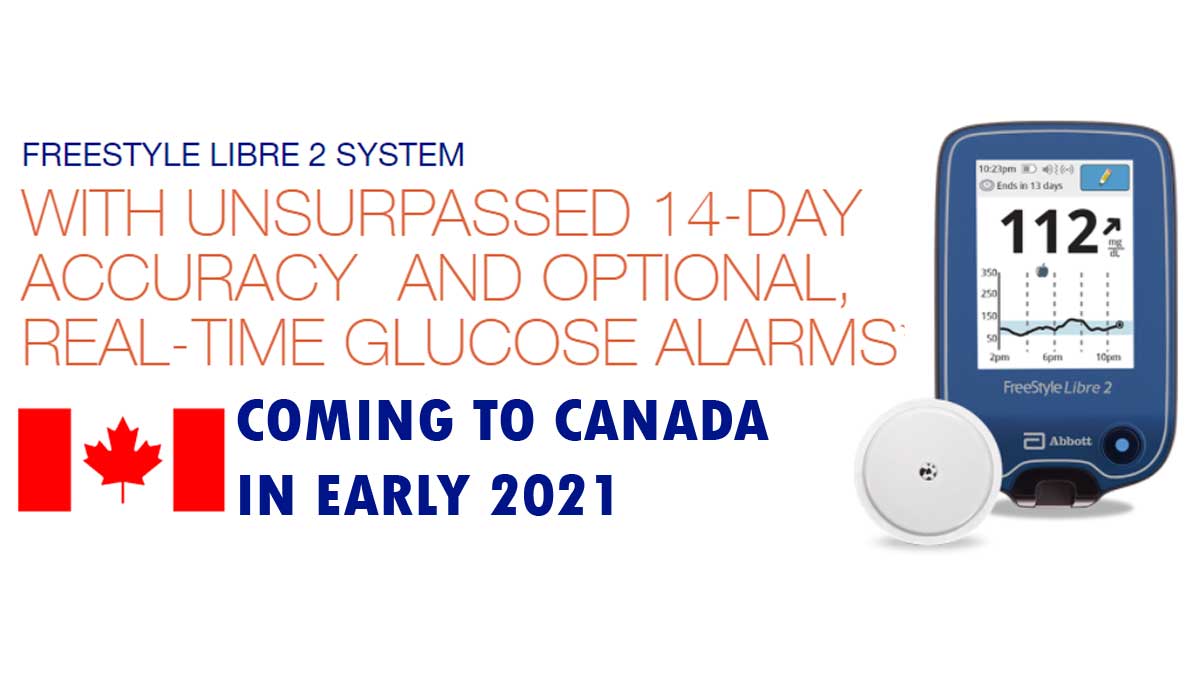
Approved by Health Canada in December 2020, Freestyle Libre 2 CGM will be available in Canada in early 2021. Source:Abbott.com
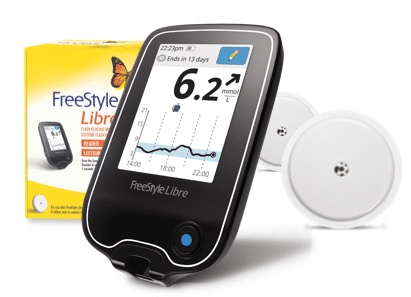
Health Canada has approved an upgrade to the FreeStyle Libre Continuous Glucose Monitoring System. The FreeStyle Libre 2 system continuously measures glucose data every minute with customizable, optional real-time alarms1 to alert users when their glucose is high or low without scanning.
Approved for children (ages 4 and older) and adults with diabetes, this latest technology sustains excellent performance for up to 14 days, providing trends, insights and actionable data on a reader or with the FreeStyle LibreLink mobile app – all at the same price as the current FreeStyle Libre system.
Latest sensor-based glucose monitoring technology will be available in the coming months to more than 3.7 million Canadians with diabetes2.
Update: FreeStyle Libre 2 is Now Available in Canada
The Freestyle Libre 2 is available in Canada as of the week of March 22, 2021. The Libre 2 is now available at your local pharmacy or available online through Bayshore Pharmacies (Abbott Libre Canada) website.
I started using Libre 2 on April 10th, 2021. The process was pretty easy — my pharmacist had my doctor update my prescription and my private insurance did not give me any issues with Libre 2. So far, smooth sailing.
I picked up my first Libre 2 today (April 10, 2021). It looks near identical to the Libre 14-day.
New Features Added to the FreeStyle Libre 2 include:
Improved accuracy – the Freestyle Libre is the only CGM that measures glucose every minute, meeting the highest level of accuracy standards – taking 1440 readings per day. This is the highest number of daily readings in any CGM currently on the market. That’s five times more glucose readings than competitor brands.
Optional, real-time alarms1 that measure glucose levels every minute, FreeStyle Libre 2 gives users the option to be alerted in real-time of critical events such as hypoglycemia (low glucose levels3) or hyperglycemia (high glucose levels4).
The new system will be priced at the same cost as the current FreeStyle Libre system.
Improved accuracy right from day 1. Studies by Abbott have shown a 9.1% mean absolute relative difference (MARD)
Want more quick information about the Libre 2. Read our Frequently Asked Questions about the Abbott Freestyle Libre 2 System. Read the post here.
What was approved?
Unlike Libre 14 day where the sensor was approved in mid-2017, and the App for iOS and Android made available almost 18 months later, Health Canada has approved the entire suite of Libre 2 products.
The approved devices include:
Device name
Identifier first issue date
Device identifier
FREESTYLE LIBRE 2 (IOS)
2020-11-30
72086-01
FREESTYLE LIBRE 2 APP (ANDROID)
2020-11-30
72085-01
FREESTYLE LIBRE 2 READER KIT
2020-11-30
71970-01
FREESTYLE LIBRE 2 SENSOR KIT
2020-11-30
71993-01
FREESTYLE LIBRE SOFTWARE
2020-11-30
VERSION 1.0
Source Health Canada. Freestyle Libre 2 – Medical Device license: 105518
You can read a copy of the Health Canada Medical License webpage in the attached PDF here.
Using Bluetooth technology, when activated, the FreeStyle Libre 2 system automatically alerts users when their glucose is high or low without needing to scan the sensor.
Similar to Libre 1, the FreeStyle Libre 2 sensor is worn on the back of the upper arm for up to 14 days and measures glucose every minute to help users and their healthcare providers make informed treatment decisions. With a one-second scan using FreeStyle LibreLink, a smartphone app, or handheld reader, users can see their glucose reading, trend arrow and eight-hour history. Users can also share data with their physicians or family members via the LibreLinkUp mobile app.
Abbott′s FreeStyle Libre 2 system utilizes the same proprietary wired enzyme technology as the FreeStyle Libre system.
What is a CGM and what are the benefits of using Libre 1 or Libre 2?
CGM allows you to monitor your glucose day and night without the need for traditional blood glucose finger tests. A CGM also allows you to see the trends and patterns in your glucose to help you and your diabetes team make more informed treatment decisions.
A real-world study published in the British Medical Journal shows that the use of FreeStyle Libre system over one year is often associated with improved quality of life and that work absenteeism rate and diabetes-related hospital admissions decreased by two thirds.
3 FreeStyle Libre 2 User Manual. Based on low glucose alarms set at 70 mg/dl.
4 FreeStyle Libre 2 User Manual. Based on high glucose alarms set at 180 mg/dl.
This post is a historical product announcement, not a report about my own LADA diagnosis or personal medical advice. Verify product and treatment details with Abbott Canada and your diabetes care team.
Worried about having a colonoscopy? I took the time to recount my colonoscopy procedure. Prepping my body, medications, eating, how I felt, and the procedure itself. Give it a read and you will be more prepared for the next 48 hours.
Prologue
I wrote this post a few years ago and sit here laughing as I reread my words, not at what I wrote but the fact that I think I have lost count as to the number of times I have prepared for a colonoscopy. If I hold the numbers noted in this post as accurate, I had my 7th scope in February 2017. What is even more humorous, is asking myself how can one forget about a tiny camera being snaked deep through your digestive tract? Then again, with a hint of sarcasm, not bad for a guy that is in his early 40’s? In comparison, I think my stepfather just had his first scope at the great age of seventy-four.
Putting all kidding aside, I hope you find this recount of my preparing for and the colonoscopy procedure helpful and more importantly reassuring. I would love to hear your comments so feel free to add any at the bottom of the page. Truth be told, having a colonoscopy isn’t as bad as my opening paragraph made it out to be, promise!, we will make it through the next 48 hours together.
My Story …
Monday I am off to have my 5th Colonoscopy (circa 2011) as a check up from last year’s hospitalization and a recent flare-up of my Crohn’s Disease. So why not recount the steps in preparing for a colonoscopy and if nothing else, hopefully put some people’s minds to ease.
For Crohn’s sufferers, 5 Colon scopes is certainly not a record but for a guy that has yet to hit 40, it is still ahead of the curve.
So what is a Colonoscopy?
Borrowed from eMedicineHealth.com a Colonoscopy is:
a test to look at the inside of your colon. The colon is the large intestine and the last part of your digestive system. Its job is to dry, process, and eliminate the waste left after the small intestine has absorbed the nutrients in food. The colon is about 3-5 feet long. It travels from the lower right corner of your abdomen (where the small intestine ends) up to your liver, across your body to the spleen in the upper left corner and then down to form your rectum and anus.
The doctor will use an instrument called the colonoscope to perform a colonoscopy. It is a long (about 3 ft), thin (about 1 in), flexible fiberoptic camera that allows the doctor to visualize your entire colon.
A colonoscopy is the main way to check for diseases of the colon, such as Crohn’s, colitis or colon cancer, and to identify or remove colon polyps.
A polyp is a mushroom-like growth on the inside wall of the colon or rectum.
Polyps grow slowly over many years.
Some polyps become cancerous, others do not
I actually found a fun video on YouTube of a healthy Colon as viewed through the colonoscope that you can take a look at:
I think most people would agree, the preparation for the colonoscopy or scope (cleaning and emptying your bowels) is far worse than the procedure itself.
Every Gastroenterologist is a bit different on the preparation procedure they would prescribe (follow your doctor’s directions), however in short, your doctor needs to clean/ empty out your colon, small bowel, and stomach to give him or her an unobstructed view of the colon’s and small intestine’s surface. What that basically comes down to is cleaning or emptying the bowel with the help of over the counter medications and a mild laxative to get your body rolling.
Each of the colonoscopy procedures I have had (with two different doctors, although both sets of instructions were generally the same) involved being under a mild sedative, so basically you sleep through the colonoscopy procedure, and wake up in the hospital recovery room, overall pretty simple. However, as the doctor fills your bowels with air to get a better view, you may feel a little “bloated” following the scope but otherwise, generally, the procedure is painless.
Preparing for the procedure on the other hand, my body has always put up a bit of a fight and I would consider this the worst part of having a Colonoscopy.
Although each doctor has a bit different procedure to prep for the scope, mine have typically followed the following three steps to prep for a colonoscopy
Step 1 – Mild Laxative (2 days before procedure) at 5 PM
Step 2 – Only clear fluids the day before the procedure; and through to the procedure (yes, no food however clear fluids, including soup broth)
Step 3 – An aggressive flush of the bowels which usually starts late afternoon the day before the procedure.
HINT: Drinking plenty of clear liquids is important to ensure you do not get dehydrated, and I would highly recommend liquids high in electrolytes such as those found in many sports drinks or ginger ale. Unfortunately, beer does not qualify as a clear liquid, however, the goal is to drink one cup per hour while up are awake after starting the liquid prep (i.e. Purg-oDan).
My 5th Colonoscopy Procedure – A journal of the next 48 hours.
Well I am not sure how to keep this section up to date but will give it a try to keep tabs on the “preparation for my colonoscopy” with a bunch of edits to the post:
Saturday June 11, 2011
Mid-afternoon – Well I made my trip to the pharmacy to pick up my bag of goodies – one box Dulcolax (Stimulant Laxative) and a box of Purg-oDan (Oral Purgative) or Pico-Salax.
5 PM – Took two Dulcolax, now let the fun begin. Also had a nice steak dinner with BBQ vegetables to tide me through the next 48 hours.
Evening – Feel a little crampy and bloated. Once I get the kids to bed I can relax a little.
2 Bowel movements by bed time. Then again, as a Crohn’s survivor – a piece of cake.
Sunday June 12, 2011
Hardest part with today was making breakfast for everyone and not being able to eat it.
Consistent feelings of slight nausea and very bloated stomach – thank you laxatives
Overall, bowels have been quiet; just waiting until 5 pm when I need to start taking the Purg-oDan. I am not looking forward to that one as it is always a challenge for me to keep it down. HINT: One thing I have learned over the past few scopes, “Follow the Instructions“. As terrible as the stuff tastes, it is NOT better to dilute it with more water – more water means, more to drink! Use the 125 ml that it recommends and simply “get-er-done”. Otherwise it is just pure torture.
5:45 PM – A little late but otherwise on track however the verdict is in, this stuff “Purg-oDan” is pure torture and definitely exemplifies why the preparation is the worst part of the entire procedure.
6:30 PM – Similar to breakfast, it is hard to make dinner without eating or nibbling. The BBQ Chicken turned out great – figures!
9:00 PM – Still pretty quiet, but a general unwell feeling. I thought I remembered the “Purg” taking a little less time to do it cleanse. Just wasted a bit of time on the Play Station 3.
10:00 PM – Ok, three tips to the bathroom in 10 minutes. Just in time for my second dose of “Purg-oDan”
11:00 PM – Second dose down, but certainly worse than the first — had to hold back a few sips from coming right back out.
Monday June 13, 2011
3:25 AM – A night wakening and rush to the bathroom. Somehow I managed NOT to step on the black dog sleeping on the floor as I rushed across the room.
6:00 AM – Time to get up and start the day. My procedure had been postponed from 9:30 am to this afternoon so the biggest decision of the day is if I am going to go into work for the morning
6:30 AM – Three more trips to the bathroom this morning; think the office is out of the question. It is amazing, not much left in my body as “things” are looking pretty clear.
7:30 AM – Feeling a little dehydrated — remember, be sure to drink plenty of liquids.
9:42 AM – Teleconference finished, time to get settled for the day.
11:40 AM – Showered and dressed and just waiting for my ride to get here. One thing to remember, you will be given a sedative for the procedure so you will need to arrange a ride to the hospital and someone to accompany you home. My hospital will not let me have the procedure unless my ride home signs me in.
12:55 PM – Arrived at the hospital and checked in. Waited a few minutes in the lounge before a nurse called my name and brought me to a change room. Shoes, socks and two hospital gowns (one open to the back and a second as a make-shift housecoat).
1:05 PM – Interview with the nurse, medical history, medications, blood pressure (think my first one was 200 over 96; another arm much better at 120 over 80 didn’t think I was that nervous about today).
Another suggestion – bring a list of your medications, it is easier to remember. I always have them stored in the notes section of my iPhone, and more recently under the Health Application.
1:15 PM – Intravenous time (a piece of cake, even with my little veins).
2:05 PM – Escorted to the procedure room. After a few introductions, the nurse affixed a blood pressure cuff and some oxygen and my doctor gave me a needle. Then seconds later ……….
3:00 PM – Woke up in the recovery room to a smiling nurse and offered a juice and cookies. On previous occasions my doctor was around to give you a quick rundown, today was simply a note to make a follow-up appointment with his office.
4:15 PM – The chauffeured drive home was a little uncomfortable, with a consistent escape of air — the only comfort was that I knew my bowels were empty so it could “only” be air. Once I arrived back at home I literally stumbled straight to bed and slept until dinner.
8:25 PM – As I sit here at my desk, I think I probably overdid it with dinner but it was good to have food back into my body. Total weight loss ~ 5 LBS but I am sure that will be back on by the weekend. At the same time, Congratulations! You survived your Colonoscopy.
Now for Some Fun
A quick overview on the lighter side is certainly needed. Check out this little YouTube video by comedian Billy Connolly on his recent experiences with a Colonoscopy:
What are your experiences?
No matter the reason for the scope it’s never a fun experience to say the least. I would love to hear your stories about preparing for a colonoscopy to help lighten the mood.
Do you have any hints or tips to survive the 48 hours? Feel free to leave a comment below or send me a message. I would love to hear your stories.
This post is my own lived experience with Crohn’s disease and diabetes (LADA). It is information only, and it is not medical advice. Please talk to your own healthcare team about your diabetes management.
One of the hardest lessons I have had to learn as being a diabetic was – how to manage hypoglycemia and the risks of severe hypoglycemia. Here are some of the lessons I have learnt.
Medical and historical review, November 21, 2026: I wrote this article in December 2020, when I understood my diagnosis to be insulin-dependent Type 2 diabetes. In November 2025, I was diagnosed with LADA (latent autoimmune diabetes in adults). I have kept the experiences and the terminology I used at the time because they explain how I learned about insulin and low glucose. The treatment and safety information below has been checked against Diabetes Canada. For the updated diagnosis and timeline, see my 2026 diabetes story. My earlier insulin doses were personal examples, never instructions for someone else.
Diagnosed as an Insulin Dependent Type-2 Diabetic
No matter if you are a Type 1 or Type 2 diabetic, diagnosed as an adult, learning how to be a good diabetic has a steep learning curve. Bolus, pre-bolus, basal, carbohydrate counting, glucose, CGM (Continuous Glucose Monitor), when to make the move to an insulin pump, it is enough to make your head spin.
What I found even more challenging, there does not seem to be the same rigour and education given to adults learning to manage the disease as there are for parents in the juvenile diabetes community. I found I was learning by trial and error. Don’t get me wrong, my local diabetes education clinic is amazing – however, their adult programs are geared more for typical Type 2 diabetics and not someone like myself that is insulin-dependent.
In the three years I have been an insulin dependent type 2 diabetic – hypoglycemia or low blood glucose (or blood sugar) has been one of the harder lessons I have had to face.
What is hypoglycemia?
Blood glucose (or blood sugar) is your body’s main energy source. When you have an abnormally low level of blood sugar, your body’s ability to properly function may be impaired as a result. This condition is called hypoglycemia, and it’s officially defined as:
In Canadian diabetes guidance, blood glucose below 4.0 mmol/L is generally treated as low. Do not wait for symptoms if a reliable reading indicates a low.
Symptoms can include shaking, sweating, confusion and difficulty concentrating, although some people have fewer warning signs.
Severe hypoglycemia means that a person needs someone else’s assistance to recover. It is not defined by a single glucose number.
Hypoglycemia is most frequent in people with type 1 diabetes, followed by people with type 2 diabetes managed by insulin, and people with type 2 diabetes managed by sulfonylureas.
What are the signs and symptoms of hypoglycemia
The signs and symptoms of hypoglycemia affect both Neurogenic and Neuroglycopenic aspects of our bodies. Some examples of these symptoms can include:
Neurogenic (autonomic)
Trembling
Palpitations
Sweating
Anxiety
Hunger
Nausea
Tingling
Neuroglycopenic
Difficulty concentrating
Confusion, weakness, drowsiness, vision changes
Difficulty speaking, headache, dizziness
Learning to be the best diabetic possible
As a newly diagnosed diabetic we leave our endocrinologist’s office or the Diabetes Clinic with a prescription for insulin, some general guidelines on bolus and basal insulin dosing, and well…. What more is there right? For me, I was told, 4 units of insulin with each meal.
HISTORICAL SIDE NOTE: Back then, I used to describe my pancreas as though it were running at 15% efficiency, or perhaps 25% with help from medication. That was my shorthand for a frustrating problem, not a clinically measured percentage. I also thought I had Type 2 diabetes. My later LADA diagnosis means I would explain that situation differently today. The four-unit meal examples below describe the instructions I received at the time, not an insulin-dosing recommendation. Read how my diagnosis changed.
So Ok, easy enough, right? Four units, I have this! Or so I thought. What follows is the very example that taught me why insulin dosing needs individual instruction and an understanding of food, activity and glucose. Please do not use these numbers to calculate your own doses.
Pizza – 4 units (Carbs: 50g)
Subway 6” Spicy Italian Sub Sandwich – 4 units (Carbs: 40g)
Subway 12” Spicy Italian Sub Sandwich – 4 units (Carbs: 80g)
All you can eat sushi – 4 units (20 pieces = Carbs: 200g)
Green salad, balsamic dressing and grilled chicken – 4 units (Carbs: 3g)
My Carb-Counting Blunder and Hypoglycemia
Wait – hold it right there? 3 grams of carbs with my salad and 4 units of insulin? Can you guess what happened the first time I gave this a try?
As an Amazon Associate I earn from qualifying purchases.
Let’s just say 80% of the hypoglycemia symptoms hit me about an hour after lunch. There I was sitting at my desk, beads of sweat forming on my brow, then my chest – before long, my shirt was drenched with sweat, and not quite knowing what I had done wrong and the frightening feeling of the onset of hypoglycemia. Fortunately, I was able to consume the recommended dose of glucose tablets to raise my blood sugars, however, not before literally sweating through my clothing. A moderate to severe hypoglycemia event is truly a #daychanger.
Over the few times I have been hit with a mild to moderate hypoglycemia accident I have been prepared enough to have been able to navigate away from a severe hypoglycemic situation where I may not have been able to consume enough glucose to stabilize my body needing 3rd party assistance such as an emergency Glucagon injection like the recently approved Baqsimi Nasal Glucagon, or even worse emergency medical services.
My bigger concern? What did I do wrong? How could I be better prepared? No one told me how serious my hypoglycemia situation could have escalated to if I didn’t have glucose tablets on hand, and more importantly would my office friends have known how to have helped if I had not been able to treat myself? Would they have even known about Glucagon, the standard treatment for Severe Hypoglycemia, would she have known how to mix the syringe, or had the confidence to even try?
As Donald Rumsfeld said “there are also unknown unknowns. There are things we don’t know we don’t know.” The simple risks associated with a life relying on insulin was one of them.
Treating Hypoglycemia
The goal to treat for hypoglycemia is to detect and treat a low blood glucose (or low sugar) level promptly by using an intervention that provides the fastest rise in blood glucose to a safe level, to eliminate the risk of injury and to relieve symptoms quickly. It is also important to avoid over-treatment since this can result in rebound hyperglycemia and weight gain.
If the person is awake and able to swallow safely, a common Diabetes Canada approach for a glucose reading below 4.0 mmol/L is to take about 15 g of fast-acting carbohydrate, wait 15 minutes, and check glucose again. If it is still below 4.0 mmol/L, repeat the treatment and recheck. Individual plans can differ, particularly for children or people using automated insulin-delivery systems. Check the package to confirm the carbohydrate amount. Examples of approximately 15 g of fast-acting carbohydrate include:
15 g of glucose in the form of glucose tablets
15 mL (3 teaspoons) or 3 packets of table sugar dissolved in water
5 cubes of sugar
150 mL of juice or regular soft drink
6 Life Savers™ (1 = 2.5 g of carbohydrate)
15 mL (1 tablespoon) of honey
Note: Be sure to discuss your best treatment options with your diabetes professional.
Severe Hypoglycemia: When Help Is Needed
Many Canadians living with diabetes are less familiar with severe hypoglycemia, where a person is unable to take fast-acting sugar on their own and relies on someone else to help them. While less common than mild or moderate hypoglycemia, anyone receiving insulin or insulin releasing medication is at risk.
Baqsimi Nasal Glucagon – Non-injection of glucagon for severe hypoglycemia.
Severe hypoglycemia is identified by the need for another person’s assistance, not by a fixed reading such as 2.8 mmol/L. Someone may be extremely confused, unable to swallow safely, have a seizure or lose consciousness. It is a medical emergency. Diabetes Canada explains the difference between a low a person can treat and one that needs help.
If someone is alert and able to swallow safely, follow their prescribed low-glucose treatment plan. If the person is unconscious, having a seizure, unable to swallow safely or cannot treat themselves, do not give food, drink or glucose tablets by mouth. Use their prescribed emergency glucagon, such as Baqsimi nasal glucagon, as instructed and call 911 immediately. A person who is unconscious should be placed on their side while awaiting help. Their supporters should learn the device instructions before an emergency. Canadian Baqsimi administration guidance provides the emergency steps.
Hypoglycemia can happen anytime, anywhere: Ensure you have a Hypoglycemia Plan
As a diabetic, you are at risk of severe hypoglycemia anytime, anywhere. I have had to deal treat mild to moderate hypoglycemia at home, at work, at the gym working out, and even simply while out for a walk.
Make sure your close friends, family and colleagues know what to do in a severe episode, especially where to find your emergency glucagon and when to call 911. In the period I described in this article, I carried Baqsimi and glucose tablets with me wherever I went. My current plan belongs with my healthcare team. Also, do not drive when your glucose is low. Diabetes Canada advises treating the low, waiting until blood glucose is above 5 mmol/L and allowing time for thinking and reaction to recover before driving. Read the Canadian driving advice.
This account describes what I experienced and understood in 2020, before my later LADA diagnosis. The medical information has been reviewed November 21, 2026, but it is general education rather than an insulin-dosing or emergency-treatment plan tailored to you. Talk with your diabetes care team about managing lows and emergency glucagon.
What is your exercise or workout ritual? As an insulin dependent Type 2 diabetic, exercise has become a critical component of managing my diabetes and Crohn’s disease. I run, hike, cycle, mountain bike, and walk to help maintain a healthy lifestyle and manage chronic illness. How do you help manage your diabetes? As a diabetic, what is your workout ritual?
Reviewed November 22, 2026: This article describes my exercise routine and what I understood about my diabetes when I wrote it in December 2020. My diagnosis was subsequently updated to LADA (latent autoimmune diabetes in adults) in November 2025, and I started using an insulin pump in April 2026. You can read more in my updated diagnosis story. I have kept the personal experiences here, but diabetes technology and exercise guidance have moved on. The safety information below is general and should be checked with your healthcare team, especially if you use insulin or have experienced low blood glucose.
WARNING: Speak to your health care professional before starting any exercise program, including how to reduce the risk of low blood sugar during and after exercise
Exercise is a critical component to a healthy lifestyle
Exercise is a critical component to a healthy lifestyle, even more so as a Type 2 diabetic. Regular exercise has special advantages if you have diabetes. Regular physical activity improves your body’s sensitivity to insulin and helps manage your blood sugar levels (1).
What is considered exercise?
We can look at exercise as a form of physical activity that is done at enough intensity to improve your fitness. Resistance training, brisk walking, cycling, and jogging are examples of exercise. As exercise is more challenging than just accumulating physical activity through your day, it often needs some planning, a certain level of ability, and a little more effort.
Diabetes Canada encourages regular physical activity as part of diabetes management. Walking, cycling, running and strength exercises can improve fitness and may help with glucose management, although responses vary. Exercise is useful, but it is not a substitute for prescribed medication or a reason to make insulin adjustments without a plan worked out with your healthcare team.
Some of the traditional benefits of exercise include:
Lower blood pressure
Better control of weight
Increased level of good cholesterol (HDL)
Leaner, stronger muscles
Stronger bones
More energy
Improved mood
Better sleep
Stress management
How much exercise should we aim for?
Strive tocomplete at least 150 minutes of moderate-to vigorous-intensity aerobic exercise each week (e.g. 30 minutes, five days a week) and resistance exercises (like lifting weights) two to three times a week. If the thought of finding 30 minutes of exercise is too difficult, you can break up the exercise into shorter periods, say 10 minutes here and there, aiming for a minimum of 30 minutes at the end of the day.
What is my workout ritual?
How we manage the energy needs of exercise different for everyone, as diabetics we are not an exception. Long before I was diagnosed as a diabetic, I was well aware of the risks of severe hypoglycemia, as my body had troubles managing my glucose during high-intensity exercise. It was a common occurrence, whether at the gym lifting weights, or doing a cross-fit class, that I would experience low to moderate hypoglycemia, and would need to be assisted by my trainer or workout partner with some juice, elevating my feet, and me fighting to maintain consciousness as I fought through a hypoglycemic occurrence.
What is hypoglycemia?
Hypoglycemia means blood glucose has fallen too low. Signs can include sweating, shaking, dizziness, confusion and difficulty concentrating. Severe episodes may leave a person unable to treat themselves, swallow safely or remain conscious. That is a medical emergency. Call 911 if someone is unconscious or unable to swallow safely, and do not give food or drink by mouth. Someone trained to help may use prescribed glucagon according to the person’s emergency plan. For more, see Diabetes Canada’s hypoglycemia information and Breakthrough T1D Canada’s safety guidance.
How Does Exercise Affect My Glucose?
Those that read my blog know that I have used exercise as a tool to not only maintain a healthy body but as equally as important, a healthy and positive attitude towards managing life and not one, but two chronic illnesses (diabetes and Crohn’s disease). To read more about my struggles, check out “Drawing A Short Straw In Life: Fighting Back Against Chronic Disease” and how I used my running to battle chronic illness.
Senior Citizen Exercising with Bands Image by Anna Shvets from Pexels
Exercise is hard, but you can do it too
Don’t get me wrong – exercise is hard. It takes time, motivation, progression through injury, good weather, and bad. However, huge personal milestones and successes? How many people do you know that can say they have run 21.1KM (13.1 miles) or jump on their bicycle a Saturday morning and ride 75KM (46 miles) just to justify eating a butter tart at the halfway point?
As I opened up today, I run, hike, cycle, mountain bike, and walk to maintain my mind and body. Cross fit on the other hand – I have not been as successful. However, what works for me, may not work for you and vice-versa.
What is even more important to remember, I didn’t start out running 21KM. 1 KM, turned to 2 KM, then 5 KM, and so on. Cycling, or any sport for that matter, starts very much the same. The biggest secret is simply, just start!
Starting to exercise can be as simple as going for a walk
Make a commitment to yourself to start exercising. It is as simple as that. If you run for 1 minute and do it regularly, you “are a runner”. It is as simple as that.
Exercise is not about winning medals or meeting some predetermined finish line, it is about doing something for ourselves and building a habit that improves our lives in countless ways.
When I was getting started, the Canadian Diabetes Association’s exercise videos were a helpful resource. Today, Diabetes Canada’s exercise and activity resources are the better place to start for current guidance. You do not need expensive equipment to begin moving. Walking, resistance bands and light weights may be options, depending on your abilities and medical circumstances. The older videos linked below are part of this article’s original resources, so check whether the demonstrations and links are still available.
As I mentioned earlier, exercise can affect glucose in more than one direction. Depending on the activity, my glucose may rise or fall, and a low can sometimes happen well after the workout. That is why I try to plan ahead instead of relying on how I feel at the finish line. A CGM helps me see the trend, but it still has limits, particularly when glucose is changing quickly or a reading doesn’t match my symptoms.
Me experiencing moderate Hypoglycemia after exercise
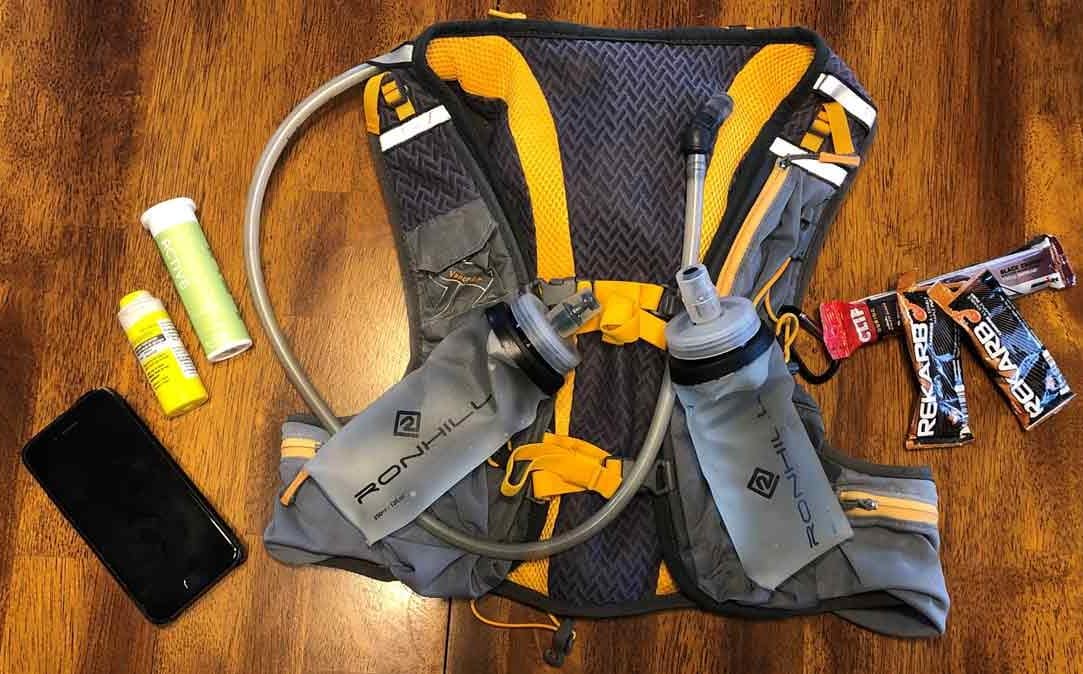
This includes always carrying my exercise nutrition, either in my cycling jersey, my running belt, or my hydration backpack, at the treadmill or beside my indoor cycling training, and following my diabetic friendly exercise rules:
My Diabetes Exercise Safety Checklist
Listen to my body. Not every workout will be the same, and I need to know when to stop or ease up.
Think about hydration. Particularly in the summer, I plan for water and any other fluids appropriate to the activity and my needs.
Carry fast-acting carbohydrates. Glucose tablets or another suitable option belong in my running belt, cycling jersey or exercise kit, with a treatment plan agreed with my diabetes team.
Watch glucose before, during and after exercise. My CGM is a valuable tool for spotting patterns. However, I still keep a blood glucose meter available and use it when sensor readings do not match symptoms or the device instructions call for a check.
Make sure somebody knows the emergency plan. When possible, an exercise partner should know what to do if I need assistance, including when to call 911 and how prescribed rescue glucagon is used.
Keep a way to contact someone. When exercising alone, a charged phone and my Garmin incident-detection equipment can provide another layer of support, but technology is no guarantee that help will arrive.
Review insulin and activity plans with my healthcare team. Medication, workout intensity, duration and the chance of delayed lows all matter. I would not change insulin doses based on a blog checklist.
This post is my own lived experience with Crohn’s disease and diabetes (LADA). It is information only, and it is not medical advice. Please talk to your own healthcare team about your diabetes management.
Christmas is around the corner, what is that perfect Christmas gift for the runner in your life?
I always joke, running is one of the most expensive free sports there is. Sure, we can throw on our runners and hit the streets or the closest trail, however, what about $150 running shoes that get you 400 to 600 KM of use (not even enough miles to train for a 1/2 marathon), cold running gear, fall running gear, summer running gear, trail running gear, hydration belts, gels and electrolytes, not to mention our love for tech. Add races, coffee with friends after run club, and the odd race photo or two and then ask how free is our free sport?
Here are some of my favourite pieces of running equipment and would make for great Christmas gifts for the runner on your shopping list. What better way to tell your loved one that you support his or her running than that perfect running Christmas gift.
The top-shelf choice in wrist-worn identification. Never go for a run or ride alone again. ROAD id is a comfortable, rugged, identification bracelet that will help first-responders immediately contact family members and friends when you can’t. Picture ROAD id as a medical alert bracelet on steroids.
Customize the name plate with names, medical information, and phone number. Also decorate the band with conquest tokens such as 5K, and 21.1K, or reminder to keep going such as “Shut Up Legs”.
Looking to take your distance up a notch or tired of having your running belt hanging off of your hips. Step up to a Hydration Vest, capable of carrying up to 2 liters of water, extra storage for gels, your phone, weather gear and more Pictured here is the Salomon Active Skin 8 Hydration Vest, recommended as best overall pack by Outdoor Gear Labs.
Check out popular hydration vests as that perfect gift for your running partner by Salomon, Nathan (I currently do all my trail running with the Nathan VaporAir), and more.
Safety is our number one concern on the trails, road, and paths. Being able to hear the vehicles around us or someone approaching from behind on the trail is the first rule. Bone conduction technology allows you to hear both your music and the ambient sounds around you.
Available in bluetooth and corded versions, there is a model of AfterShokz for every budget. Unlike traditional headphones that send sound through the ear canals, our patented bone conduction technology delivers audio through the cheekbones. With nothing inside or over your ears, enjoy total awareness and comfort while you listen.
Optimal self myofascial release tool to increase flexibility, circulation, and reduce muscle soreness
Three vibration settings transmit superior amplitude and vibration for physiological benefits
2x more effective than regular foam rolling to warm up and actively recover
Increase range of motion by up to 40% (versus 18% increase with regular foam rolling)
Running Watches
Looking to take your running to the next level? Add a Garmin Forerunner Running Watch to your training tool-kit. Train using heart rate, stride, or simply a run-walk training routine.
Track distance, heart rate, and prices for all budgets. I currently run with an older Garmin Forerunner 920XT, however, my next purchase will be a Fenix 6 or similar. Integrated heart rate, multi-sport, and more.
Abbott, the makers of the Freestyle Libre diabetes glucose monitoring system, has released a series of education and learning videos to help us get the most out of our continuous glucose monitoring system (CGM).
The official learning videos from Abbott Canada cover a variety of diabetes topics including:
Check out the Abbott Canada YouTube channel and the official FreeStyle Libre videos from the links below.
Video: Introducing | The FreeStyle LibreLink Mobile App
[youtube https://youtu.be/Mi_FUgTOXtU]
A video introducing the FreeStyle LibreLink Mobile App! Now you can use your phone to monitor your glucose – anytime, anywhere – without lancets. Instantly see where your glucose is at, where it’s headed, and where it’s been over the last 8 hours. Now, you can manage your diabetes and live life on your terms.
Video: How to use your Libre Sensor | Wash, Clean, Dry, Install
[youtube https://youtu.be/7Pxd6WRHrFI]
Wash, clean, dry – before you apply. See how easy it is to optimally prepare your skin in just 3 simple steps before applying your FreeStyle Libre sensor.
Video: Understanding Your Freestyle Libre Readings | Part 1
[youtube https://youtu.be/Thy5Web0bI4]
In part one of the Libre learning video series, Lori Berard (an RN, CDE, and Consultant in Diabetes and Clinical Research, Canada) explains how the FreeStyle Libre system uses sensor-based technology to monitor your glucose without lancets. See how you can benefit from the features of the FreeStyle Libre system and FreeStyle LibreLink app to gain insights from your scans and connect with your healthcare team remotely to easily share your glucose data.
Video: What is the difference between interstitial fluid glucose and blood glucose | Part 2
[youtube https://youtu.be/Ta48boW7Loc]
Libre learning video 2 explains the difference between interstitial fluid glucose and blood glucose, and highlights why it’s important to look at all 4 elements of a FreeStyle Libre scan: current glucose, trend arrow, glucose graph and glucose message. Watch this video to learn how you can use the information from your scans to act—instead of reacting—to your changing glucose levels.
Video: How to get your first Libre glucose reading | Part 3
[youtube https://youtu.be/jdcRK62pq2k]
Libre learning video 3 walks you through getting your first glucose reading by scanning your sensor with the FreeStyle Libre reader or FreeStyle LibreLink mobile app. You’ll discover what information you can expect from each scan— current glucose, trend arrow, glucose graph and glucose message—and what it all means.
Video: How to use your phone and Freestyle Libre reader together
[youtube https://youtu.be/-z-Ru0wkvk4]
This video demonstrates how you can conveniently use both your phone and your Libre reader with the same sensor, in just 3 simple steps.
Video: Scanning your Libre Sensor with an Android phone
[youtube https://youtu.be/5DNC2JHTupY]
See how easy it is to use your Android phone to scan your FreeStyle Libre sensor. A video w plaiting how to instantly see where your glucose is at, where it’s headed, and where it’s been over the last 8 hours.
Video: Nutrition and Diabetes
[youtube https://youtu.be/r57MYT7dDt0]
Diet and nutrition can be confusing especially when you have diabetes. Abbott diabetes collected your top 6 questions and our dietitian, Sarah Ware, answered them! Sarah Ware, BSc (Hons), RD, CDE Registered Dietitian
Video: Food and Blood sugar levels for people with diabetes
[youtube https://youtu.be/_kISHiREDkI]
Find out which foods make your blood sugars go up the most. Watch this video to learn more!
This post is my own lived experience with Crohn’s disease and diabetes (LADA). It is information only, and it is not medical advice. Please talk to your own healthcare team about your diabetes management.